
I See You
On building a culture of acknowledging human need, even when we can’t fix it

“Would you like to buy some Girl Scout cookies?”…“Would you like to buy some Girl Scout cookies???”…“Would you like to buy some Girl Scout cookies????”
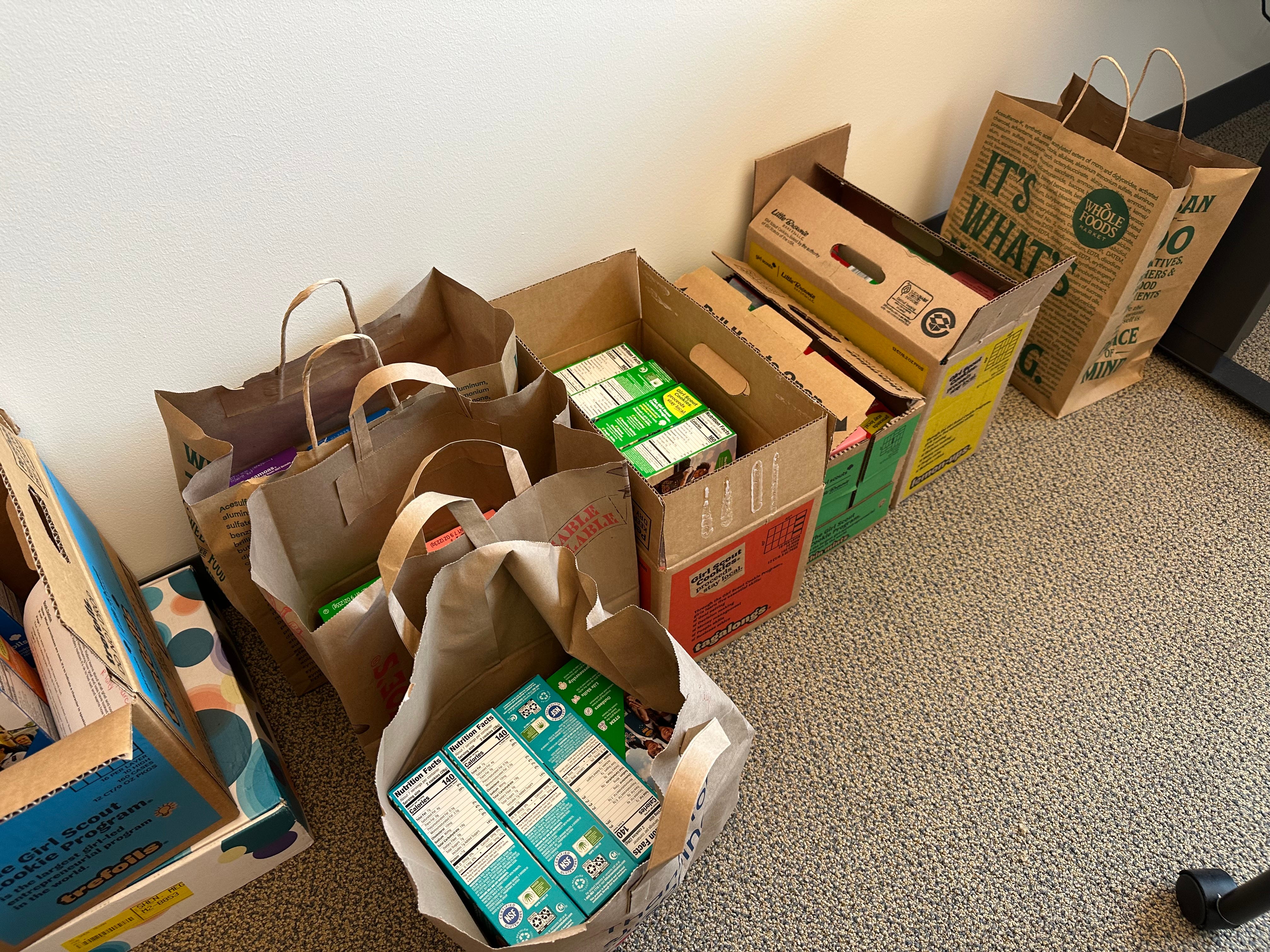
My eight-year-old got increasingly more upbeat and louder as all the busy commuters passed by her at the train station, not even giving her or her fellow Girl Scout a glance or an acknowledgment of their existence.
“Mom, the vibes here are not good!” my daughter astutely pointed out. With a worried look on her face, I could tell she was trying to do the literal and emotional math of having to spend the next two hours at her booth being ignored.
Three years into the rhythms of Girl Scout cookie season and running booths, she has become very accustomed to not selling cookies every time. But most of the time, people passing by (largely at local grocery stores) are very good about acknowledging the Girl Scouts. “Oh, I already have a large stack at home!” or “I just bought some but good luck!”
It’s not the no that stings, it’s the being ignored. I see this theme reflected in the volunteer work I have done with individuals who are experiencing homelessness. They talk about how one of the hardest things they face is the constant stream of people averting their gaze, refusing to even look at them. Many have described it as feeling less than human, having your very own presence ignored.
We have a cultural norm of deciding that if we can’t fix someone’s pain, we ignore them
The truth is that we do this all the time as humans.
When we fear that what we have to offer is going to disappoint, we avert our gaze and we meet that need with complete silence.
When we worry that we will say the wrong thing when someone loses someone close to them or we don’t have the money or food that you are asking we donate, we avert our gaze. Instead of saying “I’m so sorry” - which is a way to say “I see your pain, and I care” - we just say nothing. Even worse, we look away.
The power of acknowledging presence, even in pain
All my daughter was looking for was someone to look at her and say, “I see you out here!” She never expects a sale, although she always hopes. But for an 8-year-old girl who is, thank goodness by the very grace of God, surrounded by so much love, she was genuinely confused why the pace and culture of our world would make so many people just flat out ignore her.
But we all do it.
When we see someone on the street in need and we don’t have the money or food or assistance to offer them anything, we just don’t look at them. But what they long for most is someone in that situation to say, “I’m so sorry I don’t have any cash on me, but I really hope you have a great day.”
When someone we love loses someone in their lives, we fail to call or text or swing by because we don’t want to bother them or say the wrong thing. We look away. But what they long for is someone just to say, “I’m so, so sorry for your loss.”
And when we see Girl Scouts out there being brave and working hard, instead of looking away, what they really want is for someone to say: “I can’t today but good luck!!”
There is so much great power in acknowledging someone’s presence, their very humanity, even if and perhaps especially if they are presenting in pain, lack, or need.
I think it is a wonderfully beautiful thing that we look away because we don’t want to see someone in pain. But the reality is that looking away only magnifies the pain. One of the biggest places of hurt I hear time and time again from the cancer patients with whom I work is when people go completely silent after a diagnosis.
So this week, think about one person whose path you cross or someone in your life who is struggling. And consider saying to them your own version of “I see you. I’m so sorry.”
We don’t ever need to have the answers. We just need to hold others’ humanity in our glance, even if just for a minute.
Reflection questions
What is one way you can say “I see you” to someone in your life? It could be someone you pass on the street, a friend in your life who lost someone, even your kid who is disappointed they aren’t getting what they want.
What’s giving me life this week
Amy Poehler’s podcast, Good Hang. OH. MY. GOSH. Every episode makes me laugh, and I need more laughter in my life. If you want something hilarious, light, and really really joyful – listen to this podcast!
Also, quick reminder that I will be launching something new in the coming weeks as I anticipate the release of my TEDx talk! Stay tuned for more details!
This is an especially good post Megan. I missed it initially and am glad I circled back to read it.
This resonated deeply with me. I’ve learned that the simple act of acknowledging someone’s pain is not small - it’s often the most meaningful thing we can offer. It doesn’t solve everything, but it creates connection, and that’s often exactly what someone needs most.
I recently heard you speak at the Team Survivor Northwest retreat on Bainbridge Island about resilience and the importance of first acknowledging our losses before cultivating joy. It strikes me how connected these ideas are. Naming the pain – our own or someone else’s – isn’t giving up hope; it’s the first and hardest step toward healing and connection. Thank you.